Queue Management System Rollout: Lessons From Two Markets
Rolling out a queue management system across different cities teaches you fast lessons about culture, technology, and customer behavior. What works in a busy Riyadh mall may need tweaking for a crowded Lahore bazaar street. In 2026, retailers and service providers expanding across borders need a queuing strategy that flexes to local habits while keeping one central dashboard.
This article compares two fast-growing deployment markets, shares practical rollout steps, and highlights the features that make or break a multi-location project. If you plan to scale service across regions, these field lessons will save you time and money.
Why the Queue Management System Question Comes Up Everywhere
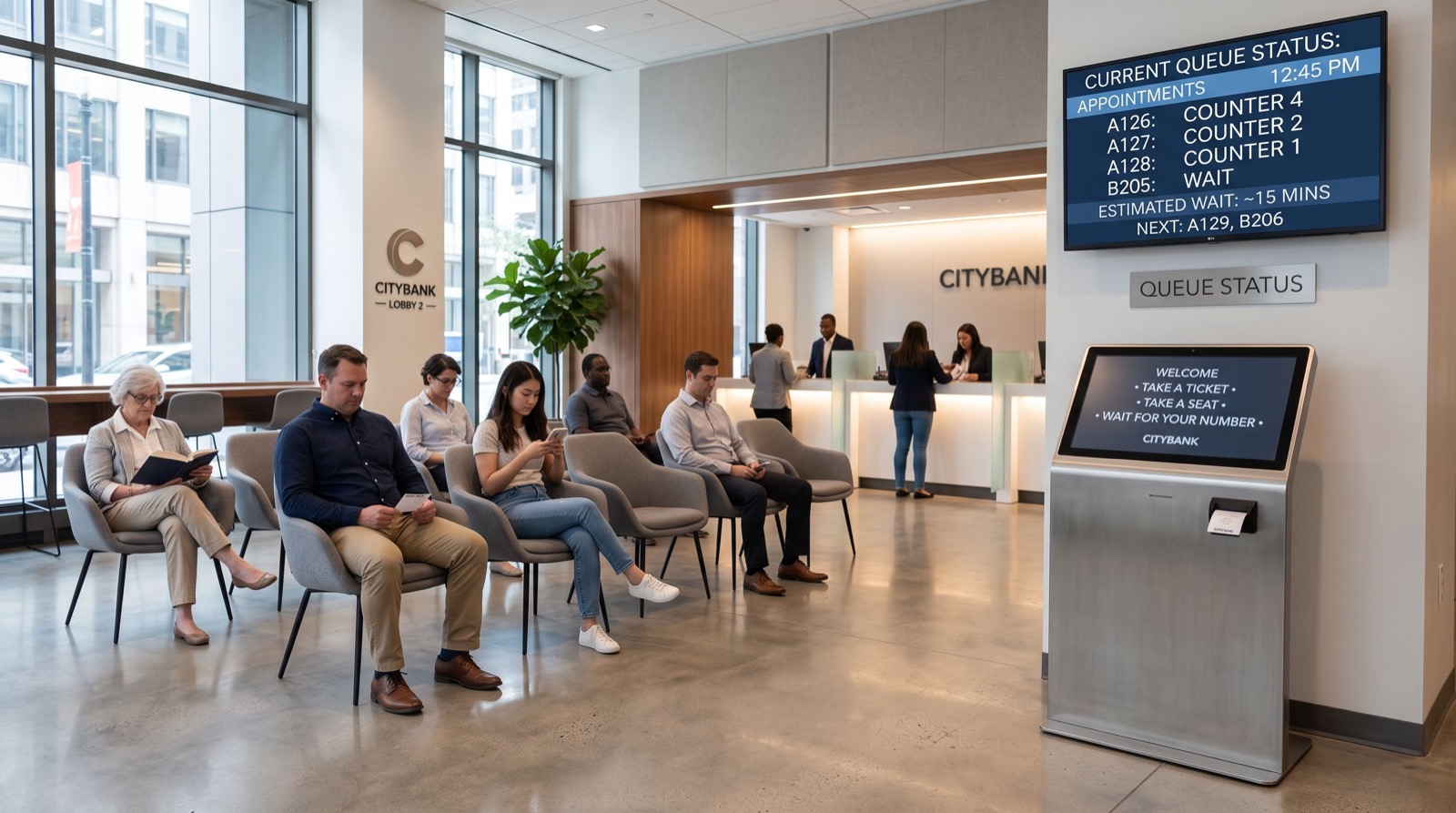
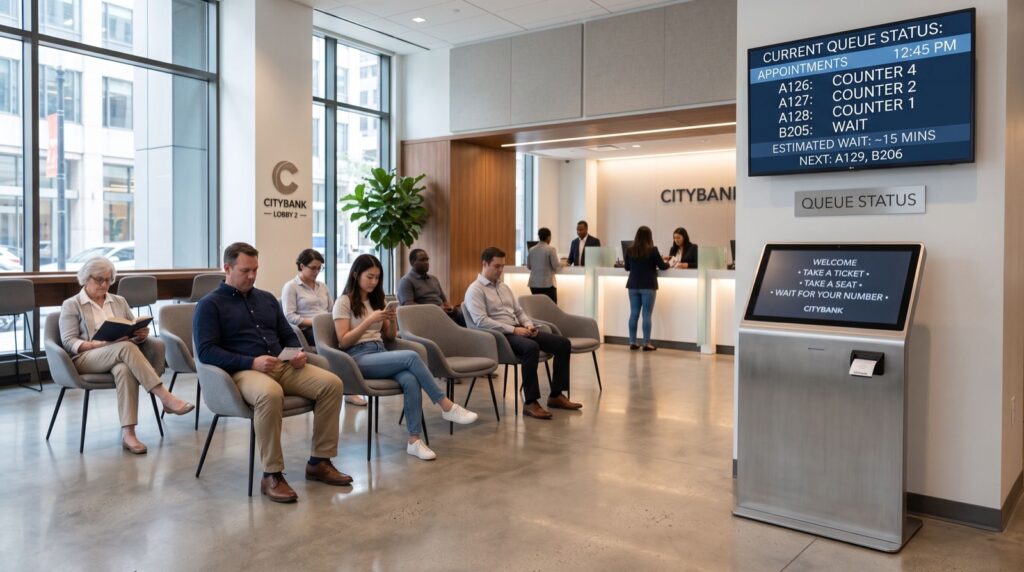
Every high-footfall business eventually hits the same wall: too many customers, too few counters, and rising complaints about waiting. A queue management system replaces guesswork with structure, giving each visitor a clear place in line and each manager a live view of demand.
Demand for these platforms has surged across the Middle East and South Asia. Growth in retail, banking, telecom, and public services drives adoption, and cloud pricing has made the technology affordable for small chains, not just enterprises.
Common Pain Points Solved
- Unclear line order that sparks arguments and stress.
- Staff overwhelmed during unpredictable rush periods.
- No data to justify hiring or scheduling decisions.
- Poor customer experience that damages repeat visits.
Market One: The Gulf Approach
Gulf deployments prioritize polish, bilingual interfaces, and integration with national digital services. Customers expect sleek kiosks, mobile check-in, and Arabic-first signage. A proven queue management system in saudi arabia typically ties into appointment platforms and offers premium self-service zones for VIP customers.
Air-conditioned virtual queuing is a big draw. Shoppers prefer to browse or wait in comfort rather than stand in a physical line, so SMS and app notifications are essential rather than optional.
Market Two: The South Asian Approach
In dense urban centers, cost efficiency and reliability under heavy load matter most. A well-tuned queue management system in lahore must handle huge daily volumes, intermittent connectivity, and a mix of walk-in and appointment traffic.
Here, simple ticket kiosks and clear number displays often outperform complex apps, because not every customer wants to install software. The best systems offer both digital and physical paths in parallel.
Side-by-Side Deployment Comparison
| Factor | Gulf Market | South Asian Market |
|---|---|---|
| Top priority | Premium experience | Volume and cost |
| Preferred check-in | Mobile and kiosk | Kiosk and counter |
| Language focus | Arabic and English | Urdu and English |
| Connectivity design | Always-on cloud | Offline-tolerant |
How Should You Plan a Multi-City Rollout?
A phased plan beats a big-bang launch. Test in one flagship location, gather data, then replicate the winning configuration. Follow these five steps for a smoother project.
- Audit each site: Map footfall patterns, counter counts, and peak hours per location.
- Standardize the core: Keep one central platform and one reporting standard across cities.
- Localize the edges: Adapt language, signage, and check-in methods to each market.
- Train on-site champions: Every branch needs a staff owner who understands the dashboard.
- Review monthly: Compare wait-time trends across cities and share best practices.
A Practical Insight Worth Copying
Set one shared key metric, such as average service time, and display it on a leaderboard across all branches. Friendly competition between locations pushes performance higher than any top-down mandate. This simple tactic consistently lifts service speed within the first quarter.
Features That Travel Well
Some capabilities matter regardless of geography. Prioritize real-time analytics, flexible ticket routing, and open integration with your CRM. According to guidance from the International Organization for Standardization on customer satisfaction, consistent measurement is the backbone of service improvement, and a good queue platform makes that measurement automatic.
When you promote your upgraded service experience, partner with reliable local experts who can translate operational wins into marketing stories your customers actually read.
Measuring Return on Investment
Track three numbers before and after launch: average wait time, abandonment rate, and customer satisfaction score. A visible drop in wait time paired with a rise in satisfaction usually pays back the hardware within months.
Do not forget staff impact. When employees see fewer angry customers and clearer schedules, retention improves too, which is a hidden but real return.
Common Rollout Mistakes to Avoid
Even strong teams stumble when scaling too fast. Learning from frequent errors keeps your budget and timeline intact.
The first mistake is copying one market’s configuration onto another without adjustment. A premium mobile-only flow that delights Gulf shoppers can frustrate customers who prefer a simple counter ticket. Localization is not optional.
The second mistake is ignoring staff training. The best dashboard in the world sits unused if branch teams never learn to read it. Budget real time for hands-on sessions at every location.
A Quick Pre-Launch Checklist
- Confirm language and currency settings for each city.
- Test hardware under real peak-hour load, not quiet demos.
- Assign a named owner and a backup at every branch.
- Set one shared metric everyone understands and tracks.
The third pitfall is skipping the baseline measurement. Without before-and-after data, you cannot prove the project worked, and finance teams remember that at renewal time. Capture two weeks of current wait times before you install anything.
Frequently Asked Questions
Can one queue management system run across multiple countries?
Yes. Cloud-based platforms centralize reporting while letting each branch localize language and check-in methods. You manage everything from a single dashboard with role-based access.
What if my location has unreliable internet?
Choose a system with offline tolerance. It should queue tickets locally and sync data once the connection returns, so service never stops during outages.
How long does a typical rollout take?
A single flagship site can go live within days. A multi-city rollout usually spans several weeks, depending on hardware delivery, training, and local customization needs.
Do customers really prefer virtual queuing?
Many do, especially in hot climates or crowded venues. Offering both virtual and physical options ensures no customer feels forced into an unfamiliar process.
Conclusion and Next Steps
Whether you scale into the Gulf, South Asia, or both, a thoughtfully chosen queue management system turns waiting into a controlled, measurable experience. Standardize the core, localize the details, and let data guide every expansion decision through 2026.
Planning a rollout this year? Start with one flagship location, prove the numbers, and scale the winning formula. Reach out to a queuing specialist and map your first deployment today.