A free timezone converter has quietly become one of the most useful browser tools of 2026, and most people only discover that after botching a meeting time with someone three continents away. Remote teams, freelance clients, live-stream audiences, and outdoor tour operators all live and die by accurate scheduling. When your calendar spans New York, London, and Sydney at once, guessing turns into missed calls and lost bookings.
This guide shows how a browser-based timezone converter fixes that headache in seconds, how a companion audio joiner rounds out your remote-work toolkit, and how to build a reliable scheduling routine that never leaves you apologizing for an off-by-an-hour mistake again.
Why a free timezone converter beats mental math
Counting time zones in your head feels simple until daylight saving shifts, half-hour offsets, and international date lines get involved. India runs on a 30-minute offset. Nepal uses a 45-minute one. Several regions change clocks on different weekends than the United States does.
A good converter removes all of that guesswork. You pick two cities, enter a time, and read the answer. No spreadsheet, no counting on fingers, no 3 a.m. wake-up calls for a “morning” meeting.
- Daylight saving aware so spring and autumn shifts never trip you up.
- City-based, not just UTC because real people think in places, not offsets.
- Instant and free with no login, no install, and no subscription wall.
The official time-zone database that powers most of these tools is maintained through the IANA Time Zone Database, the same authoritative source operating systems and phones rely on for accurate offsets.
Coordinating a global schedule the easy way
Say you run a sunrise kayak tour and want to promote it to a worldwide audience on a livestream. You need the start time to read correctly for viewers in five countries at once.
A simple three-step routine
- Set your home city and the target city in a free timezone converter.
- Convert your local start time into each audience region.
- Paste the converted times directly into your event description and email invites.
That workflow takes under a minute and eliminates the most common scheduling error in remote work: assuming everyone shares your clock.
Where an audio joiner fits into remote work
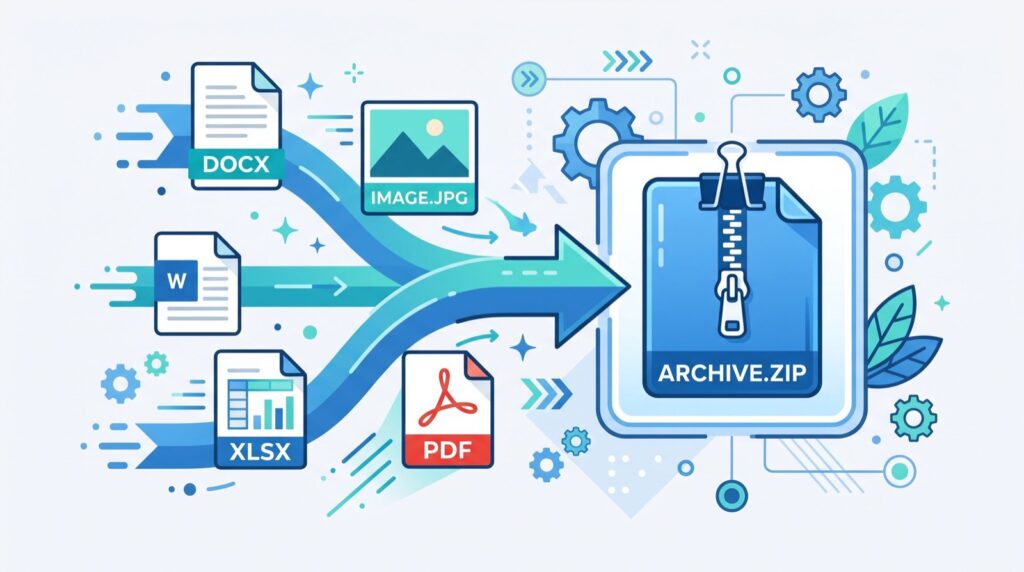
Scheduling is only half the battle. Once your global calls happen, you often end up with fragmented recordings: an intro clip, the main session, and a closing note saved as separate files. Stitching them together used to mean installing heavy editing software.
A browser-based joiner solves that instantly. Drop your clips in order, merge, and download one clean file. It is perfect for podcasters, tour narrators, and anyone assembling voice notes across time zones.
Try a free audio joiner online when you need to combine recorded segments without uploading sensitive audio to a bulky desktop program.
Practical uses that save real time
- Merging multi-part interview recordings from clients in different regions.
- Combining background ambience with a voiceover for outdoor-gear demos.
- Joining short daily audio logs into one weekly file for review.
Timezone converter vs. audio joiner: which for which job?
Both tools support the same goal, smoother remote collaboration, but they solve different problems. This quick comparison shows when to reach for each.
| Tool | Best for | Input | Output | Cost |
|---|---|---|---|---|
| Timezone converter | Scheduling across regions | City + time | Converted local times | Free |
| Audio joiner | Merging recorded clips | Multiple audio files | One combined file | Free |
| Both together | End-to-end remote workflow | Times + recordings | Aligned, polished output | Free |
How do I avoid daylight saving mistakes when scheduling?
The safest rule is to never convert times manually during the spring and autumn transition weeks. Different countries switch on different dates, so an offset that held last month may be wrong today. Always re-check with a converter that pulls live time-zone data, and confirm the target region actually observes daylight saving at all, since many near the equator do not.
One first-hand tip from running international webinars: state both the UTC time and the local time in every invite. That redundancy catches errors before your audience does.
Building a repeatable cross-time-zone routine
The people who never miss an international call do not have better memories. They have a system. A repeatable routine turns scheduling from a nervous guessing game into a mechanical, error-proof habit that scales as your audience grows across more regions.
Start by choosing one anchor time zone for your whole operation, usually your own. Every event you plan gets logged first in that anchor, then converted outward. This single-source-of-truth approach means you only ever make one original decision, and the tool handles the rest of the translation for you.
A checklist that prevents 90% of errors
- Log every event in your anchor time zone before doing anything else.
- Convert to each audience region and paste the result into the invite.
- Always include the UTC time as a neutral fallback everyone can decode.
- Re-verify any recurring event around daylight saving transition weekends.
- Confirm the target region even observes daylight saving before assuming a shift.
Podcasters and course creators gain the most from this discipline. When you release an episode or open a live workshop, a merged intro-and-main audio file paired with correctly localized start times makes your production feel polished and professional. Listeners in Tokyo and Toronto both show up on time, and your recording plays as one seamless piece.
Over a year of running weekly global sessions, the single change that cut our no-show rate the most was adding the UTC time to every calendar entry. It costs nothing and removes the last excuse for confusion. Small habit, outsized payoff.
Frequently Asked Questions
Is a free timezone converter accurate for business meetings?
Yes, as long as it uses the IANA time-zone database, which handles daylight saving and regional offsets automatically. For high-stakes calls, always include the UTC time as a backup reference in your invite.
Can I use a browser audio joiner without installing software?
Absolutely. A quality browser joiner runs entirely in the tab, so you drag in your clips, arrange the order, merge, and download, with no program to install and no account required.
Do these free online tools work on mobile?
They do. Both a timezone converter and an audio joiner are designed to run in mobile browsers, so you can schedule and merge on a phone while traveling or working outdoors.
How many audio files can I merge at once?
Most browser-based joiners let you combine several clips in a single session. Arrange them in the order you want, then export one continuous file ready to publish or share.
Start scheduling smarter today
A reliable free timezone converter paired with a browser audio joiner turns messy global coordination into a two-minute task. Bookmark both, build them into your routine, and stop losing bookings to clock confusion. If you also want vetted recommendations for gear and services, our roundup of quality service providers pairs perfectly with a well-organized 2026 workflow. Try the tools once and you will never go back to guessing.